Step 1
Define the system
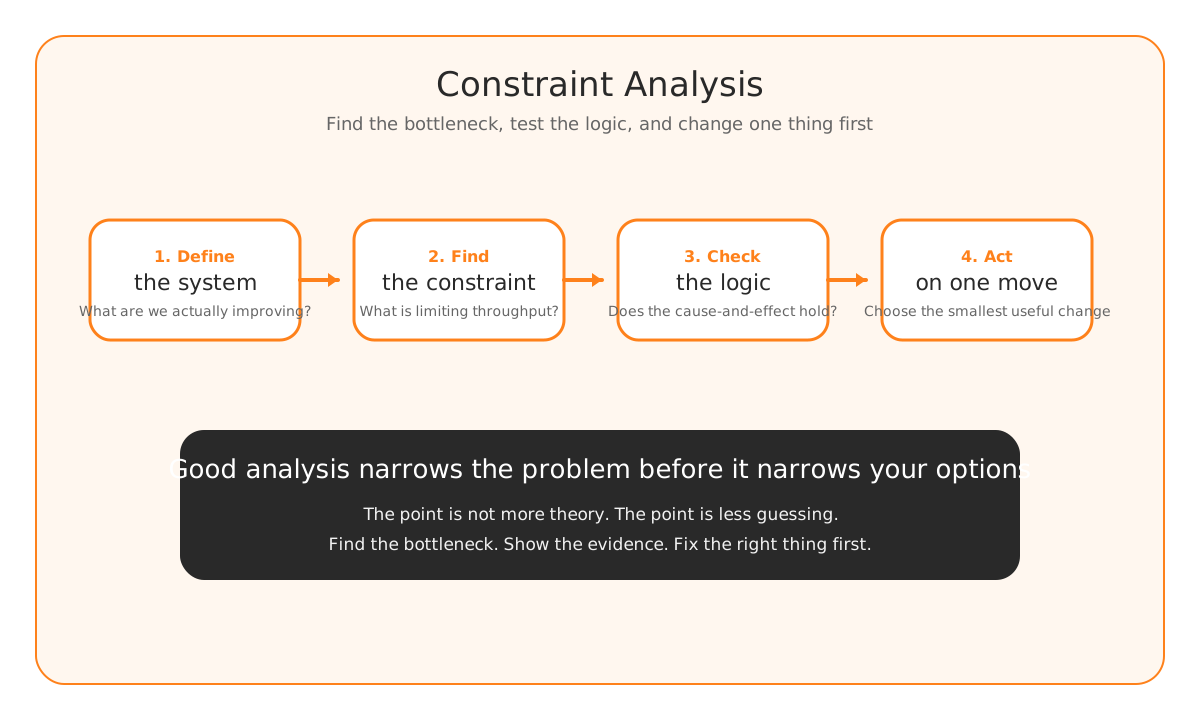
We decide what system we are looking at and what outcome matters.
Constraint Analysis
A practical way to find the bottleneck that is holding the whole system back.
A constraint analysis is a short, evidence-based diagnosis. I look for the one limit controlling throughput, show why it matters, and map the smallest change that will move the system. If the bottleneck is in the offer, the workflow, or the structure around the work, the analysis should show that before anyone spends time on the wrong fix.
The first sign is usually not subtle. People are busy, the queue keeps growing, and nothing they try seems to stick. The team works harder. The report gets longer. The meetings get more careful. The constraint does not move.
Step 1
We decide what system we are looking at and what outcome matters.
Step 2
We identify the part of the system that is limiting throughput right now.
Step 3
We test the cause-and-effect chain so the diagnosis is not just a guess.
Step 4
We pick the smallest change that is most likely to move the whole system.
A plain-English statement of what is actually limiting performance and why.
The observations, documents, or data that support the diagnosis.
A concrete next step you can take without turning the whole business upside down.
Implementation support when the fix needs more than a memo and a meeting.
If the system is stuck, see the flagship fixed-fee service or start with sample outputs before you decide.
Common Sense Systems, Inc. | Kirkland, WA | Constraint analysis and improvement work since 1996